Personal loans have become one of the most popular financial products in the United States because they offer borrowers quick access to funds for a wide variety of purposes. Whether you need money for debt consolidation, home improvements, emergency medical bills, weddings, vacations, or unexpected expenses, choosing the right lender can make a significant difference in the total amount you repay. Since every lender offers different interest rates, fees, eligibility requirements, and repayment terms, comparing multiple personal loan companies is essential before signing any agreement.
The U.S. lending market includes traditional banks, credit unions, fintech lenders, and online financial institutions. Over the past decade, online personal loan companies have transformed the borrowing experience by offering digital applications, instant prequalification, faster approvals, and funding within just a few business days. This increased competition has benefited borrowers by providing more options, better customer service, and competitive Annual Percentage Rates (APR).
Before selecting a lender, borrowers should understand that the advertised interest rate is not always the amount they will receive. Personal loan companies determine rates based on factors such as credit score, annual income, employment history, debt-to-income ratio, loan amount, and repayment period. Applicants with excellent credit generally qualify for the lowest APR, while those with fair or poor credit may receive higher rates because they present greater lending risk.
Several financial institutions consistently rank among the best personal loan companies in the United States due to their competitive pricing, transparent loan terms, and strong customer satisfaction. Well-known lenders include LightStream, SoFi, Discover Personal Loans, Marcus by Goldman Sachs, Upgrade, Upstart, LendingClub, Prosper, Best Egg, and PenFed Credit Union. Each company specializes in different borrower profiles, making comparison an important part of the loan selection process.
Interest rates remain one of the biggest considerations when applying for a personal loan. A lower APR reduces your monthly payment and decreases the total interest paid over the life of the loan. While many lenders advertise attractive starting rates, only borrowers with exceptional credit scores, stable income, and low debt levels typically qualify for the lowest available offers. Comparing multiple prequalified loan offers helps borrowers identify the most affordable financing solution without negatively affecting their credit score.

Besides interest rates, borrowers should carefully evaluate all fees associated with the loan. Some lenders charge origination fees that are deducted from the loan amount before funds are disbursed. Other common charges include late payment fees, returned payment fees, insufficient funds fees, and administrative processing costs. Fortunately, many leading online lenders now offer personal loans without prepayment penalties, allowing borrowers to repay their balance early and save on future interest expenses.
Qualifying for a personal loan involves more than simply submitting an application. Lenders evaluate the applicant’s financial health by reviewing credit reports, income verification, employment history, outstanding debt, banking history, and repayment behavior. Applicants who demonstrate consistent income, responsible credit usage, and strong financial management typically receive faster approvals and more favorable borrowing terms than individuals with unstable financial profiles.
Credit scores play a major role in the loan approval process. Most lenders categorize borrowers into different credit ranges when determining interest rates and loan eligibility. Higher scores generally qualify for lower APRs, larger loan amounts, and longer repayment terms. Borrowers planning to apply for financing should review their credit reports beforehand, dispute any reporting errors, and reduce existing debt whenever possible to improve their approval chances.
The personal loan approval process has become significantly faster thanks to digital technology. Many lenders now provide online prequalification within minutes using soft credit inquiries that do not impact credit scores. After applicants submit supporting documentation such as proof of income, identification, and employment verification, many loans receive final approval within one or two business days. Some online lenders even provide same-day funding for qualified borrowers, making personal loans an attractive solution during financial emergencies.
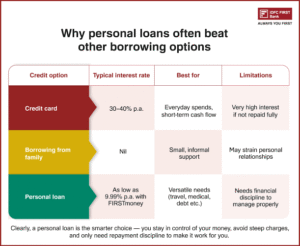
One advantage of modern online lenders is transparency. Most reputable companies clearly display estimated monthly payments, APR ranges, loan terms, funding timelines, and eligibility requirements before borrowers submit formal applications. This allows consumers to compare several offers side by side without unnecessary pressure, helping them choose financing that best fits their financial situation.
Borrowers frequently use personal loans for debt consolidation because combining multiple high-interest debts into one fixed monthly payment can simplify finances while reducing overall interest costs. Instead of managing several credit card balances with different due dates and interest rates, a debt consolidation loan provides predictable monthly payments and often offers lower borrowing costs than revolving credit card debt.
Home improvement is another common reason Americans apply for personal loans. Whether renovating a kitchen, replacing a roof, upgrading HVAC systems, or remodeling bathrooms, personal loans provide flexible financing without requiring homeowners to refinance their mortgage or use home equity. Many borrowers appreciate the predictable repayment schedule and fixed interest rates that simplify budgeting for renovation projects.
Medical expenses continue to be one of the leading causes of unexpected financial hardship in the United States. Personal loans help individuals manage emergency surgeries, dental procedures, specialist treatments, rehabilitation costs, and hospital bills that may not be fully covered by insurance. Quick funding options offered by many lenders provide financial relief during stressful situations when immediate access to cash is necessary.
When comparing lenders, borrowers should consider more than simply interest rates. Customer service quality, mobile application features, repayment flexibility, hardship assistance programs, online account management, and educational resources all contribute to the overall borrowing experience. Reading verified customer reviews and researching lender reputation can help borrowers avoid companies with poor communication or hidden fees.
Choosing a repayment period requires balancing monthly affordability against total borrowing costs. Shorter loan terms usually carry lower total interest expenses because the balance is repaid more quickly, although monthly payments will be higher. Longer repayment periods reduce monthly payment obligations but increase the total amount of interest paid over time. Understanding this trade-off helps borrowers select repayment schedules aligned with their financial goals.
Financial experts recommend comparing at least three to five personal loan companies before making a final decision. Since many lenders offer soft-credit prequalification, borrowers can review estimated rates without affecting their credit score. Comparing multiple offers increases the likelihood of finding lower APRs, reduced fees, and more flexible loan conditions that save money over the long term.
Borrowers should also avoid common mistakes during the application process. Applying for multiple loans that require hard credit inquiries within a short period may temporarily reduce credit scores. Borrowing more money than necessary increases monthly obligations and total interest costs. Carefully reviewing all loan documents before signing ensures borrowers fully understand repayment responsibilities, fees, and lender policies.
Responsible borrowing extends beyond simply obtaining loan approval. Making every payment on time, avoiding unnecessary debt accumulation, maintaining low credit utilization, and monitoring credit reports regularly all contribute to stronger financial health. Successfully managing a personal loan can improve credit history, making it easier to qualify for better financial products in the future.
Technology continues to reshape the personal lending industry. Artificial intelligence, automated underwriting, digital identity verification, and mobile banking have made personal loans more accessible than ever before. Borrowers now benefit from quicker decisions, streamlined applications, and greater transparency while lenders use advanced analytics to provide more personalized loan offers based on individual financial profiles.
Choosing among the top personal loan companies in the USA ultimately depends on your financial situation, credit profile, borrowing needs, and long-term repayment goals. By comparing interest rates, fees, loan terms, customer service, and lender reputation, borrowers can confidently select financing that minimizes borrowing costs while supporting their financial objectives. Taking time to research before applying often leads to better loan offers, lower monthly payments, and greater financial security for years to come.