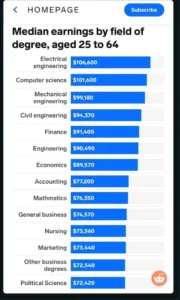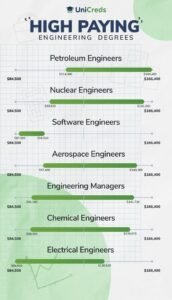
Engineering is one of the most respected and highest-paying career fields in the United States. Engineers design, build, innovate, and improve the systems that power industries ranging from healthcare and aerospace to artificial intelligence, renewable energy, manufacturing, and construction. As technology continues evolving, companies are investing heavily in engineering talent, creating excellent career opportunities with competitive salaries, strong job security, and outstanding long-term growth.
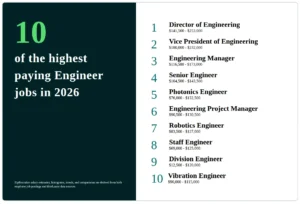
Choosing the right engineering specialization can significantly influence your earning potential and career progression. While every engineering discipline requires strong analytical thinking and technical expertise, some fields consistently offer higher salaries due to specialized skills, industry demand, and technological advancements. Below are the Top 10 Highest Paying Engineering Jobs in the USA that combine excellent compensation with exciting career opportunities.
1. Petroleum Engineer
Petroleum Engineers consistently rank among the highest-paid engineering professionals in the United States. They design and develop methods for extracting oil and natural gas from underground reservoirs while maximizing production efficiency and ensuring environmental safety. These engineers work with advanced drilling technologies, reservoir simulations, and energy companies to optimize resource extraction.
Typical Responsibilities:
- Design drilling systems
- Evaluate oil and gas reservoirs
- Improve extraction efficiency
- Monitor production operations
- Ensure environmental compliance
Education: Bachelor’s Degree in Petroleum Engineering
Best Industries: Oil & Gas, Energy, Offshore Exploration
2. Aerospace Engineer
Aerospace Engineers develop aircraft, spacecraft, satellites, missiles, and advanced defense systems. They work on cutting-edge technologies involving aerodynamics, propulsion, avionics, and space exploration. Government agencies, defense contractors, and commercial aerospace companies actively recruit highly skilled aerospace engineers.
Typical Responsibilities:
- Aircraft design
- Spacecraft development
- Flight testing
- Propulsion systems
- Safety analysis
Education: Bachelor’s or Master’s Degree in Aerospace Engineering
Top Employers: NASA, Boeing, Lockheed Martin, SpaceX
3. Software Engineer
Software Engineers build the applications, operating systems, cloud platforms, mobile apps, and enterprise software that power today’s digital economy. With the rapid growth of artificial intelligence, cybersecurity, and cloud computing, software engineering remains one of the fastest-growing and highest-paying careers in America.
Key Skills:
- Python
- Java
- C++
- JavaScript
- Cloud Computing
- AI & Machine Learning
- DevOps
Industries: Technology, Finance, Healthcare, E-commerce
4. Artificial Intelligence (AI) Engineer
Artificial Intelligence Engineers develop intelligent systems capable of learning, decision-making, automation, natural language processing, and predictive analytics. AI specialists are among the most sought-after professionals in today’s technology sector due to increasing adoption of machine learning across industries.
Primary Responsibilities:
- Build AI models
- Train machine learning algorithms
- Data analysis
- Predictive modeling
- AI automation
Education: Computer Science, AI, Data Science
5. Cloud Engineer
Cloud Engineers design, implement, and manage cloud infrastructure using platforms such as Amazon Web Services (AWS), Microsoft Azure, and Google Cloud Platform. As businesses migrate from traditional servers to cloud environments, demand for cloud engineering professionals continues to grow rapidly.
Popular Certifications:
- AWS Certified Solutions Architect
- Microsoft Azure Administrator
- Google Cloud Professional Architect
6. Nuclear Engineer
Nuclear Engineers work with nuclear energy systems, radiation technology, medical equipment, and research reactors. They help improve nuclear safety, develop advanced energy technologies, and contribute to medical imaging and cancer treatment innovations.
Common Industries:
- Nuclear Power Plants
- Medical Research
- Government Laboratories
- Defense
- Energy Research
7. Computer Hardware Engineer
Computer Hardware Engineers design processors, memory systems, networking equipment, embedded devices, and advanced computing hardware. Their work supports everything from smartphones and laptops to artificial intelligence servers and autonomous vehicles.
Core Responsibilities:
- Hardware design
- Chip architecture
- Embedded systems
- Circuit testing
- Performance optimization
8. Robotics Engineer
Robotics Engineers combine mechanical engineering, electronics, software engineering, and artificial intelligence to develop intelligent robotic systems. Their innovations support manufacturing automation, healthcare robotics, warehouse logistics, autonomous vehicles, and industrial machinery.
Growing Industries:
- Manufacturing
- Healthcare
- Logistics
- Automotive
- Artificial Intelligence

9. Electrical Engineer
Electrical Engineers design electrical systems, power distribution networks, renewable energy technologies, communication systems, and industrial automation equipment. Their expertise supports modern infrastructure, transportation, telecommunications, and smart energy solutions.
Specializations Include:
- Power Systems
- Renewable Energy
- Telecommunications
- Control Systems
- Electronics
- Automation
10. Biomedical Engineer
Biomedical Engineers combine engineering principles with medical science to develop life-saving healthcare technologies. They design artificial organs, prosthetic devices, diagnostic equipment, robotic surgical systems, wearable health devices, and advanced medical imaging systems.
Career Opportunities:
- Medical Device Companies
- Hospitals
- Research Laboratories
- Biotechnology Firms
- Pharmaceutical Companies
Education Requirements for Engineering Careers
Most engineering careers begin with a Bachelor’s Degree in an accredited engineering discipline. Many senior positions require Master’s Degrees or specialized certifications. Continuous learning remains essential because engineering technologies evolve rapidly. Certifications in cloud computing, cybersecurity, artificial intelligence, project management, and specialized software platforms significantly improve career advancement opportunities.

Essential Skills Every Engineer Should Develop
Regardless of specialization, successful engineers share several important technical and professional skills.
These include:
- Problem-solving
- Critical thinking
- Mathematics
- Programming
- CAD Software
- Communication
- Leadership
- Project Management
- Data Analysis
- Team Collaboration
Professionals who combine technical expertise with business knowledge often advance more quickly into leadership positions.
Engineering Industry Outlook
The engineering industry continues expanding due to investments in artificial intelligence, renewable energy, electric vehicles, advanced manufacturing, cloud computing, robotics, aerospace technology, healthcare innovation, and infrastructure modernization. Companies across both the private and public sectors actively recruit engineers capable of solving complex technical challenges and driving innovation. Many engineering fields are projected to experience strong employment growth over the coming decade.
Final Thoughts
The Top 10 Highest Paying Engineering Jobs in the USA offer outstanding salaries, long-term job security, and exciting opportunities to shape the future of technology and innovation. Whether your passion lies in software development, artificial intelligence, aerospace, petroleum, robotics, biomedical engineering, or cloud computing, investing in quality education, technical certifications, and practical experience can lead to a highly rewarding career. As industries continue embracing digital transformation and advanced technologies, skilled engineers will remain among the most valuable and highest-paid professionals in the American workforce.